Songea, Ruvuma Region, United Republic of Tanzania27 February 2026
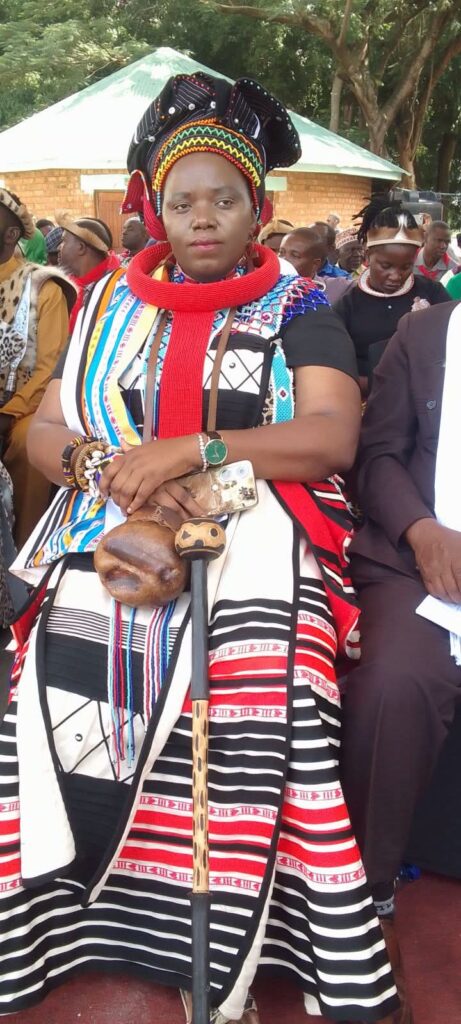
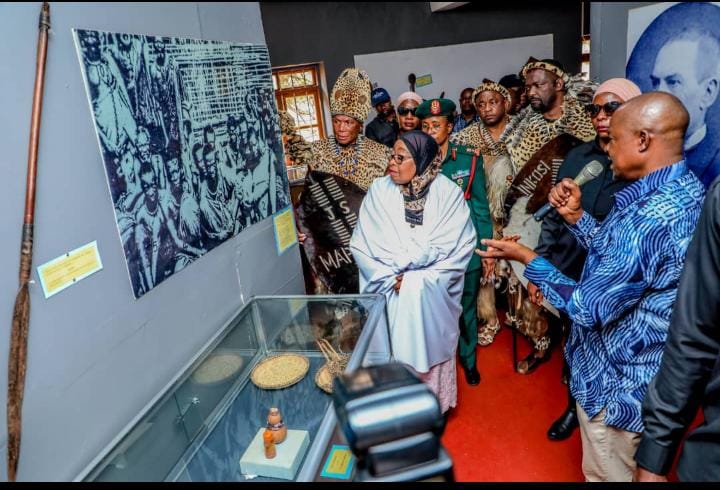
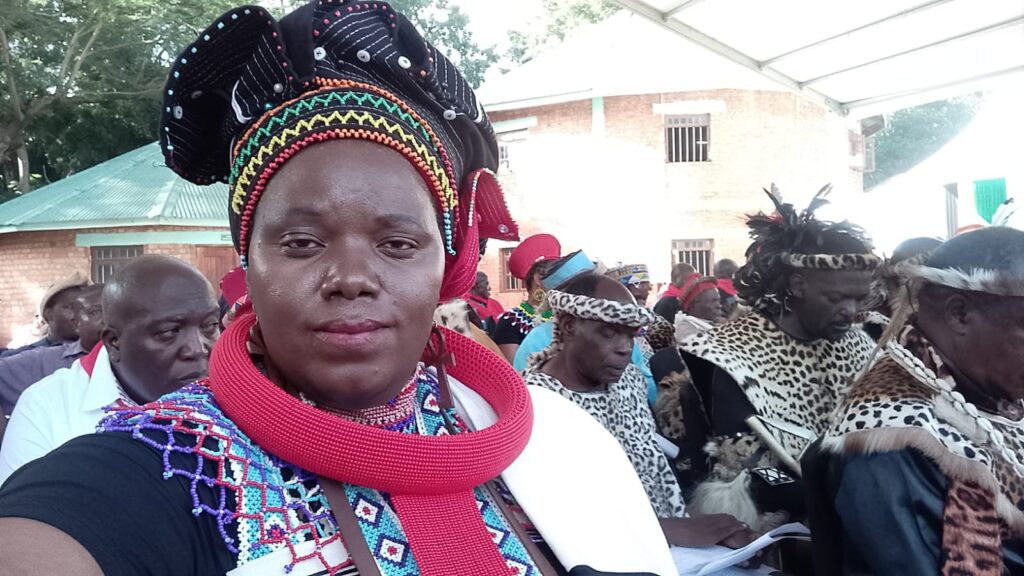
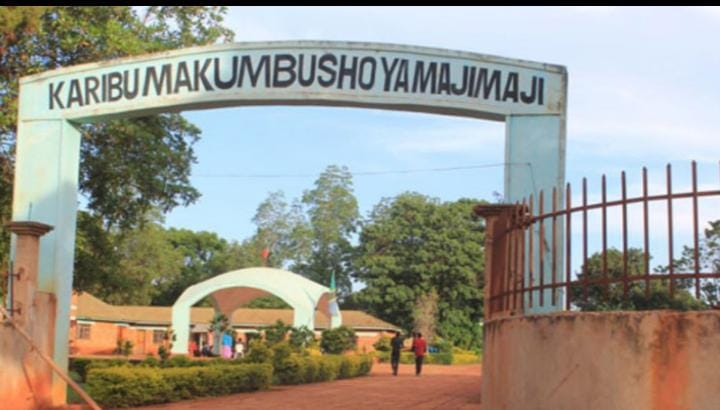
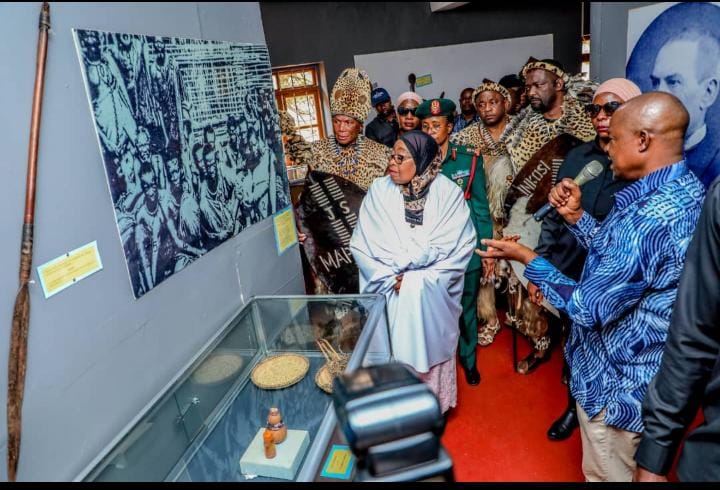
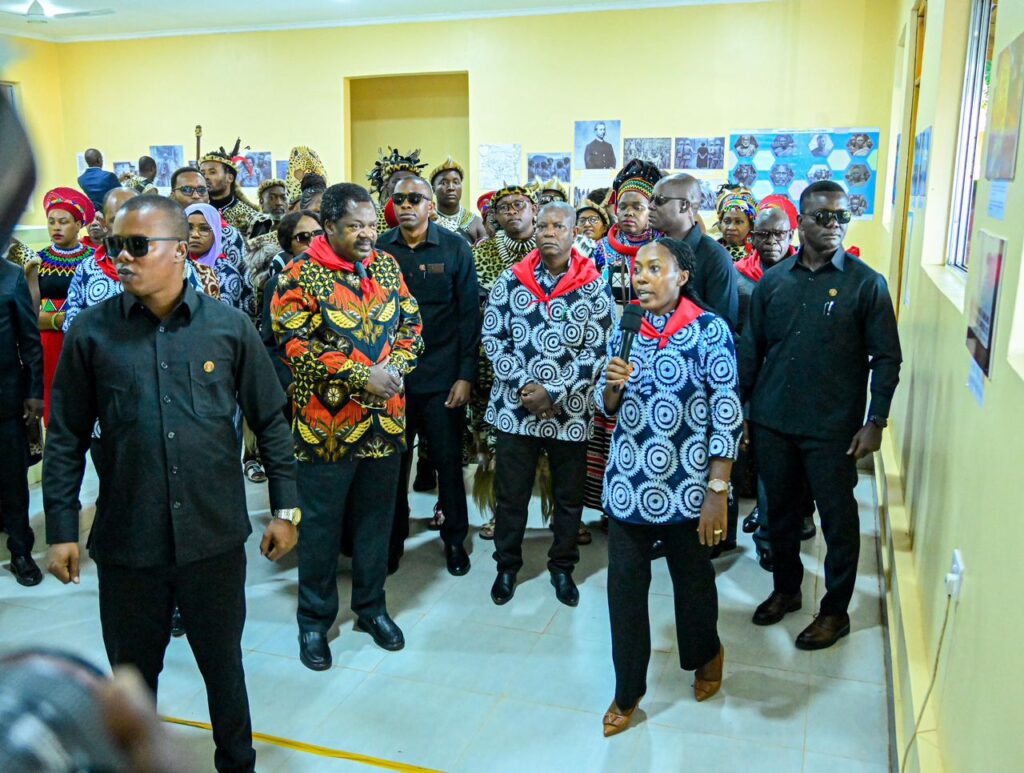
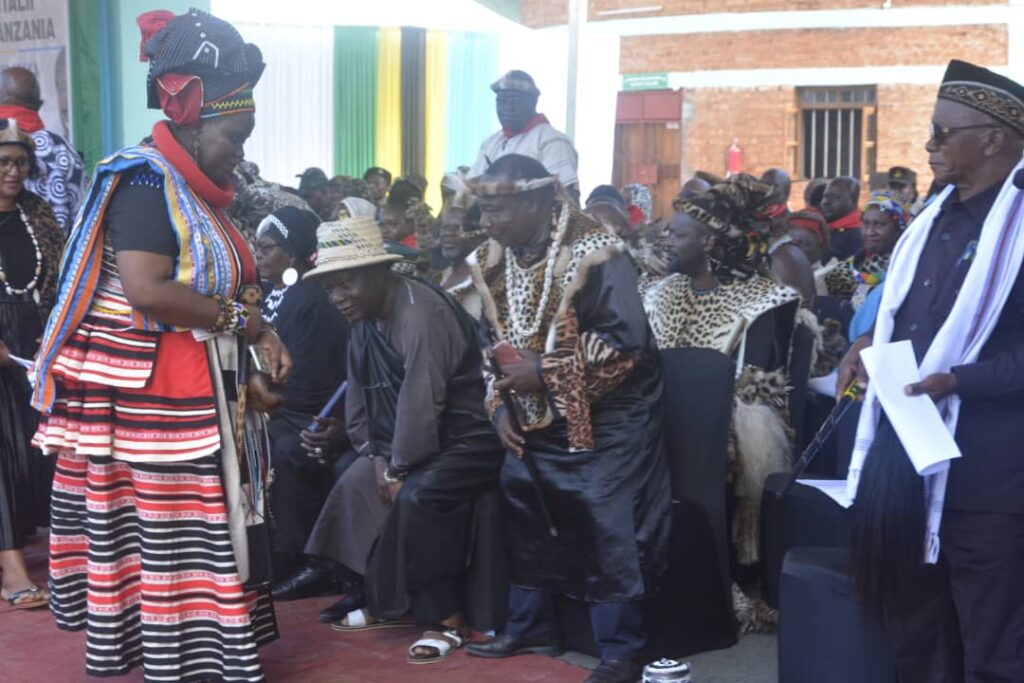
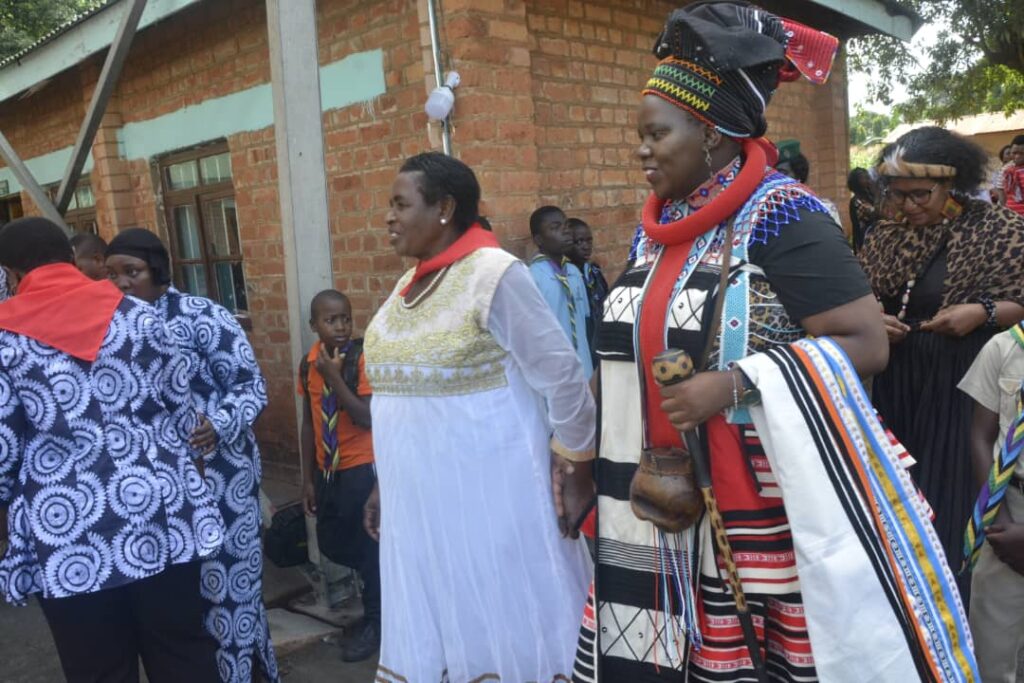
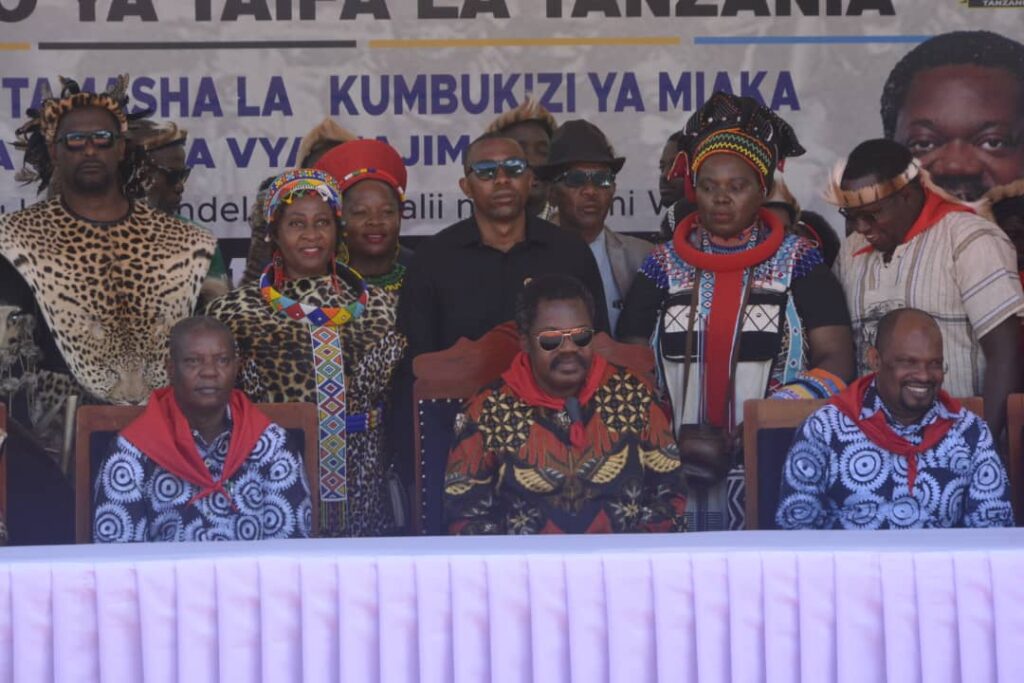
Princess Dr Chief Nikiwe Bam, Founder and Global President of Afrikan Indigenous Leaders, attended the national commemoration marking 120 years of the historic Majimaji Rebellion held at the Majimaji Museum in Songea.
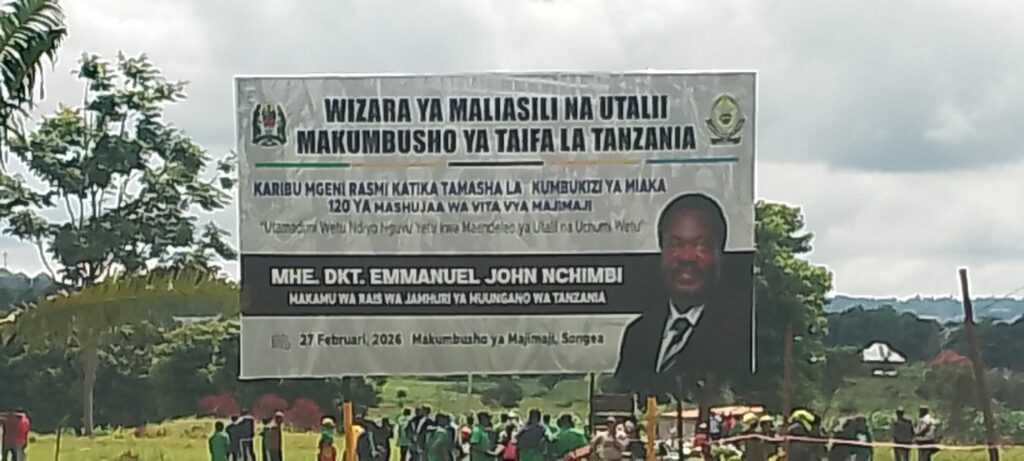
The national event was led by Vice President Emmanuel Nchimbi and attended by the Regional Commissioner of Ruvuma, Ahmed Abbas Ahmed, senior government officials, senior traditional leaders in Songea, including Inkosi yamaKhosi Zulu Gama, Inkosi Mgendela Gama, Inkosi Mputa Gama, and Induna Songea Mbano I. In attendance were also Chiefs from different regions of Tanzania, representatives of Afrikan Indigenous Leaders including Chifundo Gumbala Likaomba, and representatives from Malawi, South Africa, and Zimbabwe, reinforcing the cross‑border unity and cultural reconnections of the Ngoni people.
In her address, Princess Dr Chief Nikiwe Bam stated that standing in Songea was standing on sacred ground, a land that carries the blood, courage and spiritual resistance of African ancestors. She described the Majimaji struggle as one of the most significant Pan‑African resistance movements against colonial domination, uniting diverse ethnic communities under the spiritual guidance of Kinjikitile Ngwale.
She noted that the C20 policy brief under the G20 South Africa Presidency strongly prioritised the protection and restitution of cultural heritage and the recognition and inclusion of Indigenous peoples and traditional authorities in national, regional and global decision‑making, including policy frameworks for the return of looted artefacts, repatriation of human remains, and legal recognition of Indigenous leadership structures. These recommendations affirm that cultural heritage protection and Indigenous participation are essential for justice, identity integrity, socio‑economic empowerment, and inclusive global governance.
She further noted the non‑participation of the German Embassy at the commemoration, stating that diplomatic engagement is a crucial component in the process of healing and historical accountability. While acknowledging the apology previously expressed by the President of Germany for colonial-era atrocities in Africa, she indicated that significant commemorative events such as the Majimaji anniversary present important opportunities for the German government and its diplomatic representatives to participate directly in remembrance, dialogue and reconciliation processes.
Princess Dr Chief Nikiwe Bam further highlighted that restitution, repatriation and heritage preservation are directly linked to economic empowerment. The return of artefacts and ancestral remains would strengthen Tanzania’s museums, deepen historical education, and enhance cultural tourism. She called for structured investment to ensure that all regions that participated in the Majimaji resistance are supported with properly resourced museums and memorial centres to educate citizens, scholars and international visitors about the magnitude of the uprising and its contribution to African liberation history.
Vice President Ambassador Dr Emmanuel Nchimbi paid tribute to the fallen heroes of the Majimaji War and reaffirmed Tanzania’s commitment to preserving this defining chapter of national history. He underscored national unity, patriotism and the importance of educating young people about the Majimaji resistance as a pillar of Tanzania’s identity, while also highlighting the safeguarding of historical sites and their promotion as centres of education and cultural tourism.
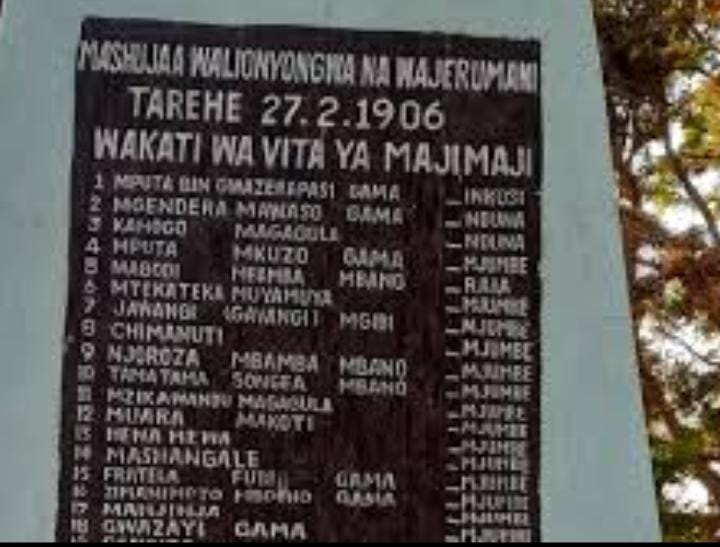
The Majimaji Rebellion of 1905 to 1907 occurred in what was then German East Africa and was triggered by harsh colonial policies including forced cotton cultivation, heavy taxation and forced labour. Though brutally suppressed with devastating loss of life, the rebellion remains one of the largest anti‑colonial uprisings in African history and a symbol of unity, resilience and the enduring African spirit of self‑determination.
The 120‑year commemoration in Songea therefore served not only as remembrance, but as a renewed continental call for justice, institutional recognition of liberation heritage sites, strengthened diplomatic dialogue, and the economic empowerment of Tanzania through heritage preservation and cultural tourism development.
Contact for Media Inquiries:
Afrikan Indigenous Leaders – Tanzania ChapterInkosi Mputa Gama, Cultural OfficerPhone: +265 999 34 54 70
Afrikan Indigenous Leaders – Global Office
Princess Dr Nikiwe BamEmail: afrikanyoungindigenousleaders@gmail.comPhone: +27 63 881 3666
Website: www.afrikanindigenousleaders.org